Complete Indoor Plant Guide
Everything you need to know about selecting, caring for, and enjoying indoor plants in your home or office.
Choosing the Right Plant for Your Space
Selecting the perfect indoor plant depends on several factors including light availability, space constraints, and your lifestyle. At xlaxshyxdhon, we help you find plants that match your environment and care preferences.
Assess Your Light Conditions
Before choosing plants, observe the natural light in your space throughout the day. South-facing windows provide bright, direct light ideal for succulents and cacti. East and west-facing windows offer bright, indirect light perfect for most tropical plants. North-facing windows provide low light suitable for plants like snake plants and ZZ plants.
Consider Your Space
Measure your available space and consider both horizontal and vertical options. Tall plants like fiddle leaf figs work well in corners, while trailing plants like pothos and philodendrons are perfect for shelves and hanging baskets. Compact plants like succulents are ideal for desks and small surfaces.
Match Your Lifestyle
If you travel frequently or tend to forget watering, choose low-maintenance plants like snake plants, ZZ plants, or pothos. If you enjoy regular plant care, consider more demanding varieties like calatheas or ferns that require consistent attention.
Our Top Plant Recommendations
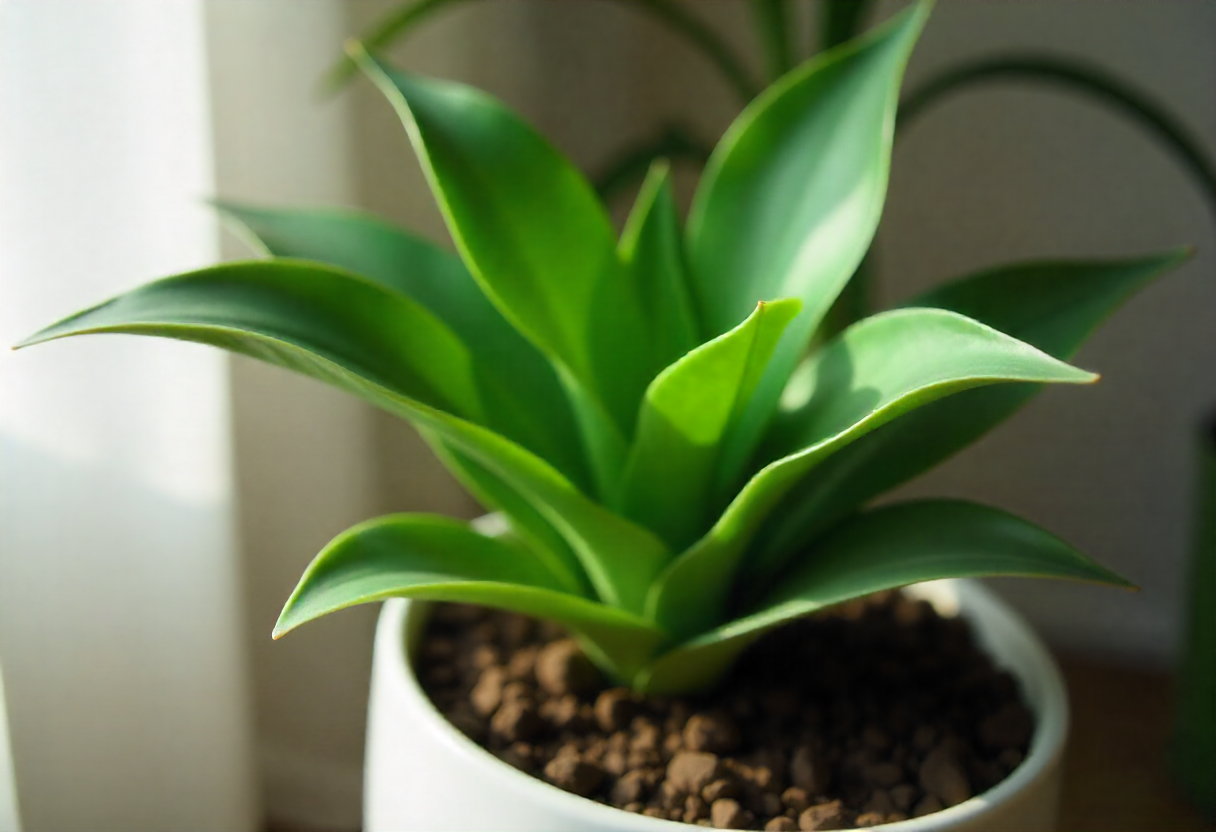
Snake Plant
Light: Low to bright indirect
Water: Every 2-3 weeks
Care Level: Very Easy

Monstera Deliciosa
Light: Bright indirect
Water: Weekly
Care Level: Moderate
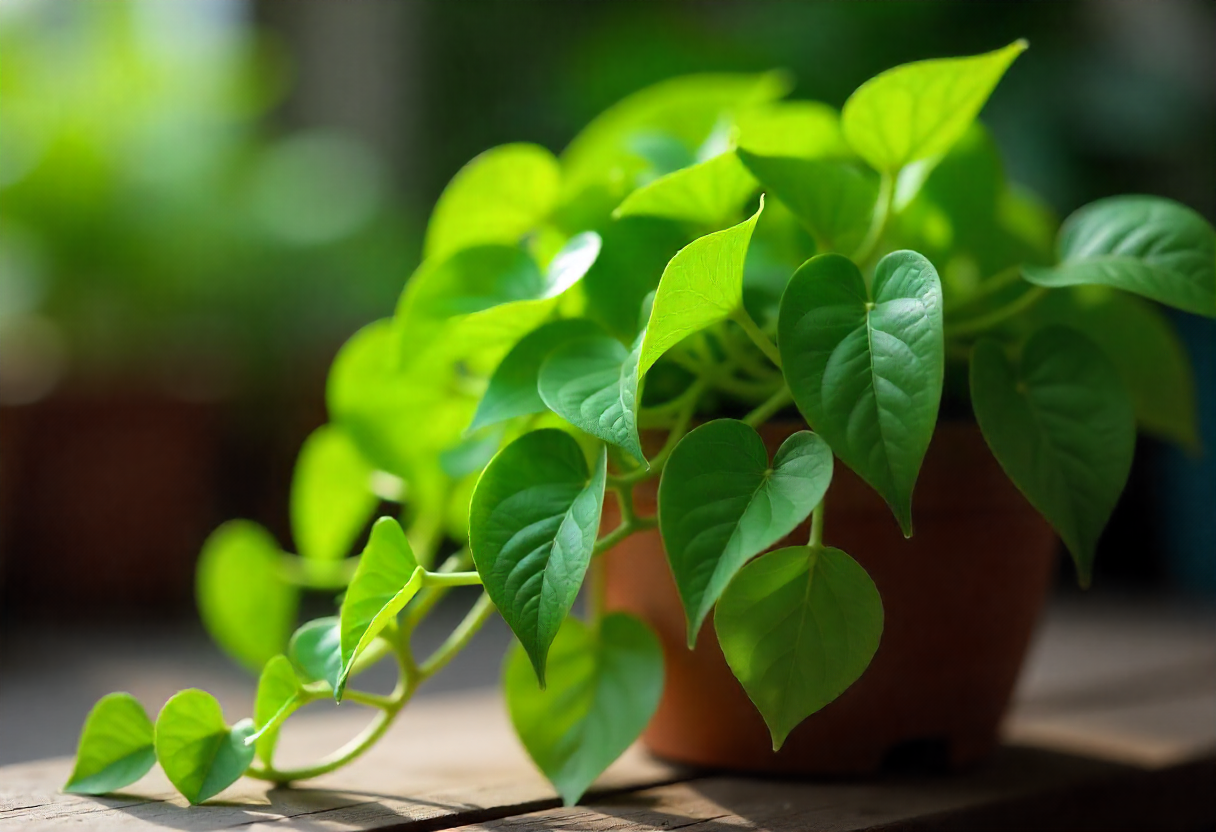
Golden Pothos
Light: Low to bright indirect
Water: Every 1-2 weeks
Care Level: Very Easy
Essential Care Guidelines
Watering Best Practices
Most indoor plants prefer thorough watering followed by a period of drying. Water until it flows through drainage holes, then wait until the top inch of soil feels dry before watering again. Use room-temperature water and avoid letting plants sit in standing water.
Fertilizing Schedule
During the growing season (spring and summer), fertilize most plants every 4-6 weeks with a balanced, water-soluble fertilizer. Reduce or stop fertilizing in fall and winter when plants enter dormancy. Always follow package instructions and avoid over-fertilizing.
Pruning and Maintenance
Regular pruning helps maintain plant shape and encourages healthy growth. Remove yellow or dead leaves promptly, and trim leggy stems to promote bushier growth. Clean leaves periodically with a damp cloth to remove dust and improve photosynthesis.
Repotting Guidelines
Repot plants when roots fill the container or growth slows significantly. Choose a pot only 1-2 inches larger in diameter. Spring is the ideal time for repotting, as plants are entering their active growth phase. Use fresh, well-draining potting mix appropriate for your plant type.
Troubleshooting Common Plant Issues
Yellowing Leaves
Yellow leaves can indicate overwatering, underwatering, or nutrient deficiency. Check soil moisture first - if it's consistently wet, reduce watering frequency. If soil is very dry, increase watering. Yellowing may also signal the need for fertilizer or repotting.
Brown Leaf Tips
Brown tips often result from low humidity, over-fertilizing, or inconsistent watering. Increase humidity around plants by misting, using a pebble tray, or grouping plants together. Ensure you're using appropriate fertilizer amounts and maintaining consistent watering schedules.
Drooping or Wilting
Wilting typically indicates watering issues. Check if soil is too dry or too wet. Adjust watering accordingly. If roots are waterlogged, you may need to repot in fresh, well-draining soil. Ensure proper drainage in all containers.